Exploring African-American Culture
Exploring African-American Culture. In this article, you will embark on a journey to explore the rich and vibrant world of African-American culture. Delving into the fascinating history, traditions, and contributions, this captivating exploration will unveil the essence of this diverse and influential community. From the struggles and triumphs of the Civil Rights Movement to the soulful rhythms of jazz and the powerful artistry of African-American literature, get ready to immerse yourself in a cultural tapestry that has shaped and continues to shape the fabric of American society. Get ready to discover the story of resilience, creativity, and resilience that is deeply ingrained in African-American culture.
History of African-Americans
Arrival of African slaves in America
The history of African-Americans in the United States begins with the arrival of African slaves during the colonial period. It was in the early 17th century that the first African slaves were brought to the American colonies by European settlers. These slaves were primarily brought from West Africa to work on plantations and in the emerging industries of the New World. The journey from Africa to America was a cruel and inhumane experience, as slaves were forcibly taken from their homes, separated from their families, and subjected to the brutal conditions of the transatlantic slave trade.Slavery in America
Slavery in America was a deeply entrenched institution that had a profound impact on the lives of African-Americans for over two centuries. Slaves were treated as property and endured harsh working conditions, physical abuse, and the denial of basic human rights. Their forced labor contributed significantly to the economic development of the American colonies and, later, the United States. Slavery was not only an economic system but also a system of dehumanization and control, with laws and social norms perpetuating the notion of African-Americans as inferior and deserving of their enslaved status.Emancipation and Reconstruction
The period of emancipation and Reconstruction marked a significant turning point in African-American history. The Emancipation Proclamation, issued by President Abraham Lincoln in 1863 during the American Civil War, declared that all slaves in Confederate territory were to be set free. This proclamation paved the way for the formal abolition of slavery with the ratification of the 13th Amendment to the United States Constitution in 1865. Reconstruction, the period following the Civil War, witnessed significant political, social, and economic changes for African-Americans. It aimed to secure their rights and integrate them into American society as equal citizens.The Civil Rights Movement
The Civil Rights Movement of the 1950s and 1960s was a pivotal moment in the struggle for racial equality and justice for African-Americans. Led by prominent figures such as Martin Luther King Jr., Rosa Parks, and Malcolm X, the movement sought to challenge and dismantle racial segregation and discrimination. Through nonviolent protests, sit-ins, bus boycotts, and marches, African-Americans and their allies fought for the recognition of their civil rights and the end of racial segregation. The Civil Rights Act of 1964 and the Voting Rights Act of 1965 were landmark legislative victories that significantly advanced the cause of racial equality in the United States.
African-American Art and Literature
The Harlem Renaissance
The Harlem Renaissance was a cultural and intellectual movement that emerged in Harlem, New York, during the 1920s and 1930s. It was a period of creative flourishing for African-American artists, writers, musicians, and intellectuals. During this time, Harlem became a vibrant hub of cultural activity, fostering the development of new artistic forms and expressions. Artists such as Langston Hughes, Zora Neale Hurston, and Duke Ellington emerged as influential figures who helped redefine African-American identity and challenge stereotypes through their artistic contributions.African-American visual arts
African-American visual arts have a rich history that showcases the talent, creativity, and resilience of African-American artists. From the early works of Henry Ossawa Tanner to the contemporary artwork of Kara Walker, African-American artists have made significant contributions to the art world. Many African-American artists used their work as a means of social commentary, addressing issues of race, identity, and representation. Through their paintings, sculptures, and mixed media pieces, these artists have played a crucial role in reshaping the narrative surrounding African-Americans.African-American literature
African-American literature is a powerful and diverse body of work that encompasses a range of genres, themes, and perspectives. From the slave narratives of Frederick Douglass and Harriet Jacobs to the literary works of Toni Morrison and James Baldwin, African-American authors have offered profound insights into the African-American experience. Through their storytelling, these writers have explored themes of racial identity, social injustice, and the quest for freedom and equality. African-American literature has not only provided a platform for self-expression but also served as a tool for empowerment, education, and cultural preservation.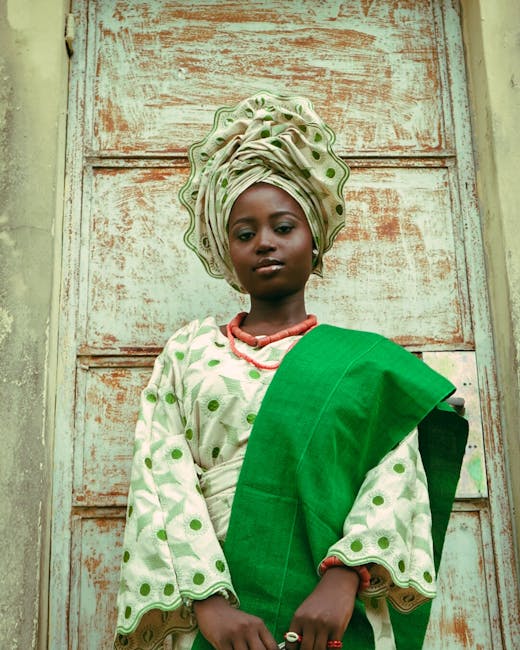
African-American Music
Origins of African-American music
African-American music is deeply rooted in the traditions and cultural practices brought by enslaved Africans to America. From spirituals and work songs to the rhythmic beats of the drum, the music of African-Americans reflects the resilience, spirituality, and creativity of a people who endured tremendous hardship. The blending of African musical traditions with European musical influences gave rise to unique genres and styles that have had a profound impact on the musical landscape of America and the world.Gospel music
Gospel music holds a special place in African-American culture, serving as a source of spiritual inspiration, comfort, and celebration. Rooted in African-American religious traditions, gospel music is characterized by its uplifting melodies, powerful harmonies, and profound lyrics. African-American churches became important spaces for the development and propagation of gospel music, providing a platform for African-American singers and musicians to showcase their talents and share their faith with the community. Gospel music has transcended the boundaries of the church and has influenced various genres, including soul, R&B, and rock.Jazz music
Jazz is a genre of music that originated in African-American communities of New Orleans in the late 19th and early 20th centuries. It is characterized by its improvisational nature, complex rhythms, and unique harmonic structures. Jazz music provided a platform for African-American musicians to express themselves freely and showcase their virtuosity. Great jazz artists such as Louis Armstrong, Duke Ellington, and Ella Fitzgerald not only revolutionized the music industry but also challenged racial stereotypes and broke down barriers of segregation through their talent and creativity.Blues music
The blues is a genre of music that emerged from the African-American experience, particularly in the Mississippi Delta region. Rooted in the hardships and emotions of everyday life, blues music became a means of self-expression for African-Americans. With its soulful vocals, heartfelt lyrics, and distinctive guitar playing, blues music has influenced numerous musical genres, including rock and roll. African-American blues musicians such as B.B. King, Muddy Waters, and Etta James left an indelible mark on the history of music, shaping the sound of American popular culture.R&B music
R&B, which stands for rhythm and blues, is a genre of popular music that emerged in African-American communities during the late 1940s. Combining elements of jazz, blues, and gospel, R&B music played a crucial role in the integration of black and white musical styles. African-American artists such as Sam Cooke, Aretha Franklin, and Marvin Gaye brought soulful vocals, emotive performances, and socially conscious lyrics to the forefront of the music industry, shaping the sound of R&B and influencing future generations of musicians.Hip hop music
Hip hop is a cultural and musical movement that originated in African-American and Latino communities in the South Bronx, New York, during the 1970s. It encompasses various elements, including rap, DJing, breakdancing, and graffiti art. Hip hop music became a platform for African-American youth to express their experiences, frustrations, and aspirations. It gave a voice to marginalized communities and addressed social and political issues with a raw and unfiltered approach. From its humble beginnings, hip hop has grown into a dominant and influential force in contemporary popular culture.Religion and Spirituality in the African-American Community
Influence of African religions
The influence of African religions on the African-American community is evident in their spiritual practices, beliefs, and cultural traditions. Enslaved Africans brought with them a rich spiritual heritage that included various traditional African religious beliefs and practices. Despite efforts to erase their cultural and religious identity, African-Americans found ways to preserve and adapt their African traditions within the context of American society. Elements such as drumming, dance, and storytelling became integral parts of African-American religious and cultural expressions.African-American Churches
African-American churches have played a crucial role in the lives of African-Americans, serving as places of worship, community gathering, and social activism. From the establishment of independent black churches during the slavery era to the rise of influential denominations, such as the African Methodist Episcopal (AME) Church and the National Baptist Convention, African-American churches provided a space for African-Americans to practice their faith freely and build a sense of community. These churches became hubs of social and political activism, spearheading the fight for civil rights and addressing pressing social issues.Role of spirituality in African-American culture
Spirituality holds a significant place in African-American culture, providing a source of strength, resilience, and identity. African-Americans have often turned to their faith as a means of coping with adversity, finding solace in times of struggle, and celebrating moments of triumph. The power of prayer, the healing properties of music, and the communal nature of worship are all aspects of African-American spirituality that have helped sustain and uplift the community throughout history. Spirituality serves as a guiding force in the lives of many African-Americans, offering a sense of purpose, hope, and connection to their ancestral roots.
Fashion and Style
Traditional African clothing
Traditional African clothing reflects the diverse cultures, customs, and aesthetics of the African continent. Each region and ethnic group within Africa has its unique clothing traditions, characterized by vibrant colors, intricate designs, and the use of textiles such as kente, ankara, and mudcloth. Traditional African garments, such as the dashiki, kaftan, and boubou, have influenced fashion trends worldwide and continue to be worn by African-Americans as a way of connecting with their African heritage.African-American fashion icons
African-American fashion icons have made significant contributions to the world of fashion, challenging conventional beauty standards and redefining style. Figures such as Josephine Baker, Lena Horne, and Dorothy Dandridge broke barriers in the entertainment industry, becoming fashion icons of their time. In more recent years, African-American designers and models, such as Naomi Campbell and Virgil Abloh, have brought diversity and inclusivity to the forefront of the fashion industry, inspiring a new generation of African-American fashion enthusiasts.Influence of African-American fashion on popular culture
African-American fashion has had a profound influence on popular culture, shaping trends and challenging mainstream notions of style. From the afro hairstyles and dashikis of the Black Power movement to the streetwear and urban fashion of contemporary hip hop culture, African-American fashion has been at the forefront of cultural shifts and movements. Through music, film, and social media, African-American style has become a form of self-expression, empowering individuals to embrace their unique identities and celebrate their heritage.Cuisine and Culinary Traditions
African ingredients and cooking techniques
African cuisine is diverse and varied, reflecting the culinary traditions of different regions and ethnic groups across the continent. African ingredients such as plantains, okra, yams, and various spices have made their way into African-American cooking, shaping the flavors and culinary traditions of the community. African cooking techniques, such as slow simmering, stewing, and the use of aromatic spices, have also influenced African-American cooking styles, particularly in the creation of dishes like gumbo, jambalaya, and collard greens.Soul food
Soul food is a traditional African-American cuisine that originated during the era of slavery and has since become an integral part of African-American culture. It is characterized by its hearty, flavorful dishes that often incorporate ingredients such as cornmeal, greens, black-eyed peas, and pork. Soul food emerged as a form of sustenance and comfort for African-Americans, providing nourishment and a sense of community during times of hardship. Today, soul food continues to be celebrated and enjoyed as a testament to the resilience and creativity of African-Americans in the face of adversity.African-American culinary contributions
African-Americans have made significant culinary contributions to American cuisine, influencing the flavors, techniques, and traditions that shape the culinary landscape of the country. From the use of spices and seasonings to the development of unique cooking techniques, African-American chefs and cooks have left an indelible mark on American food culture. The invention of dishes like fried chicken, macaroni and cheese, and sweet potato pie can be attributed to the creativity and ingenuity of African-American culinary traditions. African-American cooks and restaurateurs have also played a crucial role in the preservation and promotion of African-American food culture, ensuring its continued relevance and appreciation.Language and Expression
African-American Vernacular English (AAVE)
African-American Vernacular English, often referred to as AAVE or Ebonics, is a distinct variety of English that has its roots in African linguistic and cultural influences. AAVE is characterized by its unique syntax, vocabulary, and pronunciation patterns. While AAVE has sometimes been stigmatized or dismissed, it is an important and valid linguistic system that serves as a means of communication and cultural expression within the African-American community. AAVE has also had a significant impact on popular culture, with its rhythms, slang, and vernacular finding their way into music, film, and literature.Impact of African-American language on popular culture
The language and expressions of African-Americans have had a profound impact on popular culture, shaping the way people communicate and express themselves. African-American slang and vernacular have permeated various aspects of American society, from music lyrics to advertising slogans. The linguistic contributions of African-Americans have helped shape the cultural landscape, influencing language trends, and contributing to the development of new uses and meanings for words and phrases.Family and Community
Importance of extended family networks
The importance of extended family networks is deeply rooted in African-American culture. Historically, enslaved African-Americans were often torn apart from their immediate families due to the brutal practices of slavery. As a means of survival and support, African-Americans formed strong bonds with extended family members, creating networks of kinship, love, and mutual assistance. These extended family networks continue to play a vital role in the lives of African-Americans today, providing a sense of belonging, guidance, and strength in the face of adversity.African-American traditions and celebrations
African-Americans have a rich tapestry of traditions and celebrations that reflect their cultural heritage and resilience. From Juneteenth, which commemorates the emancipation of slaves, to Kwanzaa, a Pan-African holiday that celebrates African culture and values, African-American traditions and celebrations serve as reminders of the struggles and triumphs of the community. These cultural observances provide opportunities for African-Americans to gather, honor their history and traditions, and pass down their cultural heritage to future generations.Establishment of historically black neighborhoods
Historically black neighborhoods, often referred to as "Black Wall Streets," emerged during the era of segregation and Jim Crow laws as spaces where African-Americans could build communities and businesses free from discrimination. Neighborhoods such as Harlem in New York City, Bronzeville in Chicago, and the Fillmore District in San Francisco became vibrant centers of African-American culture, commerce, and social life. These neighborhoods created opportunities for African-Americans to thrive, supporting the growth of black-owned businesses, educational institutions, cultural centers, and artistic movements. While these neighborhoods have faced various challenges over time, their legacy as important cultural and historical landmarks remains intact.Sports and Athletics
African-Americans in sports history
African-Americans have a rich and storied history in sports, overcoming racial barriers and achieving greatness in various athletic disciplines. From pioneers like Jackie Robinson, who broke the color barrier in Major League Baseball, to barrier-breaking athletes like Jesse Owens, who defied Hitler's racial ideology at the 1936 Olympics, African-Americans have consistently made significant contributions to the world of sports. Through their achievements, African-American athletes have not only excelled in their respective sports but also served as trailblazers, inspiring future generations of athletes to pursue their dreams regardless of race or background.Influence of African-American athletes
African-American athletes have had a profound impact on American society, transcending the realms of sports and becoming cultural icons. Figures such as Muhammad Ali, Serena Williams, and Michael Jordan have used their platforms to advocate for social justice, challenge racial inequality, and inspire millions around the world. African-American athletes have become symbols of excellence, resilience, and the power of individual and collective achievement. Their influence extends far beyond the world of sports, demonstrating the transformative potential of athleticism and the enduring importance of representation.Historically black colleges and universities in sports
Historically black colleges and universities (HBCUs) have played a vital role in the development of African-American athletes and the advancement of sports. These institutions provided opportunities for African-Americans to pursue higher education and participate in competitive sports at a time when racial segregation barred them from predominantly white institutions. HBCUs produced legendary athletes like Earl "The Pearl" Monroe, Walter Payton, and Althea Gibson, who not only excelled in their respective sports but also became ambassadors for their institutions and inspirations for future generations of athletes. HBCUs continue to be important venues for cultivating talent and providing opportunities for African-Americans in sports.Civil Rights and Activism
Prominent African-American activists
African-American history is filled with prominent activists who dedicated their lives to the fight for racial equality and social justice. Figures such as Martin Luther King Jr., Rosa Parks, Malcolm X, and Angela Davis became iconic symbols of resistance, mobilizing communities and advocating for change. These activists used various methods, from nonviolent protests and civil disobedience to intellectual discourse and community organizing, to challenge systemic racism and discrimination in all aspects of American society. Their contributions continue to inspire and guide civil rights and social justice movements today.Civil rights milestones
The struggle for civil rights for African-Americans is marked by significant milestones that have shaped the course of American history. The Brown v. Board of Education Supreme Court decision in 1954 declared segregation in public schools unconstitutional, a groundbreaking step toward desegregation. The Civil Rights Act of 1964 and the Voting Rights Act of 1965 were legislative victories that outlawed racial segregation and discrimination in public facilities and protected voting rights for African-Americans. These milestones, among others, represented critical advancements in the fight for racial equality and paved the way for subsequent civil rights victories.Black Lives Matter movement
The Black Lives Matter (BLM) movement emerged in response to the systemic violence and racial injustice faced by African-Americans in the United States. Founded in 2013, BLM seeks to address issues of police brutality, mass incarceration, and racial profiling, while advocating for policies and reforms that promote equality and justice. The movement has gained significant traction and mobilized millions around the world through protests, community organizing, and advocacy. The Black Lives Matter movement has brought attention to the urgent need for systemic change and has sparked conversations about racial equity on a global scale. FAQs: Frequently Asked Questions on African-American Culture 1. What is African-American culture? Q1: What is African-American culture? A: African-American culture encompasses the social, artistic, and historical experiences of African Americans. It includes traditions, music, art, language, and customs that have evolved over centuries, influenced by African heritage, slavery, and the ongoing struggle for civil rights. 2. How did African-American culture develop? Q2: How did African-American culture develop? A: African-American culture developed through the blending of African traditions with the influences of European settlers and indigenous peoples. It was shaped by the experiences of slavery, migration, and the quest for civil rights, leading to unique expressions in music, literature, and art. 3. What role does music play in African-American culture? Q3: What role does music play in African-American culture? A: Music is a vital part of African-American culture, serving as a form of expression and resistance. Genres like jazz, blues, gospel, hip-hop, and R&B reflect the community's history, struggles, and triumphs, influencing American music as a whole. 4. What are some important traditions in African-American culture? Q4: What are some important traditions in African-American culture? A: Important traditions include family reunions, storytelling, cooking and sharing meals, and celebrations of cultural heritage through events like Kwanzaa. These traditions foster community ties and preserve cultural identity. 5. Who are some influential figures in African-American culture? Q5: Who are some influential figures in African-American culture? A: Influential figures include Frederick Douglass, Langston Hughes, Martin Luther King Jr., Maya Angelou, and Toni Morrison. These individuals have made significant contributions to literature, civil rights, and the arts, shaping the African-American narrative. 6. How does African-American culture influence American society? Q6: How does African-American culture influence American society? A: African-American culture has profoundly influenced American society, particularly in areas such as music, literature, fashion, and language. The cultural contributions have enriched the national identity and fostered social movements advocating for equality and justice. 7. What is the significance of the Harlem Renaissance? Q7: What is the significance of the Harlem Renaissance? A: The Harlem Renaissance was a cultural movement in the 1920s that celebrated African-American art, music, and literature. It marked a turning point in how African Americans expressed their identity and contributed to the broader American culture, promoting racial pride and social activism. 8. How does African-American literature reflect the culture? Q8: How does African-American literature reflect the culture? A: African-American literature often addresses themes of identity, struggle, and resilience. It reflects the unique experiences of African Americans through storytelling, poetry, and prose, providing insights into historical and contemporary issues faced by the community. 9. What are some common stereotypes about African-American culture? Q9: What are some common stereotypes about African-American culture? A: Common stereotypes include assumptions about criminality, poverty, and educational underachievement. These stereotypes are harmful and do not represent the diversity and complexity of African-American experiences, which encompass a wide range of backgrounds and accomplishments. 10. How can one learn more about African-American culture? Q10: How can one learn more about African-American culture? A: One can learn more about African-American culture through books, documentaries, museums, cultural events, and community programs. Engaging with diverse perspectives and experiences fosters understanding and appreciation of the richness of African-American culture. As a comprehensive overview of African-American culture, this article delves into various aspects that have shaped the African-American experience throughout history. From the arrival of African slaves in America and the struggles of slavery to the emergence of African-American art, music, religion, fashion, cuisine, language, family, sports, and civil rights activism, each section explores the rich tapestry of African-American culture and its enduring impact on American society. By recognizing and celebrating the contributions and resilience of African-Americans, we can foster a greater understanding, appreciation, and dialogue about the diverse and vibrant cultures that make up the United States.https://howtoplaythedjembedrums.com/exploring-african-american-culture/




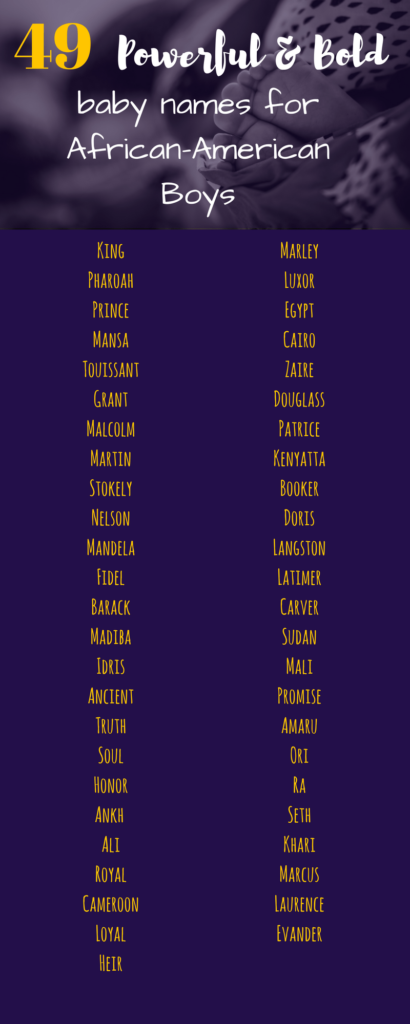 African American Boy Names with Strong Meanings
Names Meaning Strength
Choosing a name that carries a strong and powerful meaning is a way to inspire your son to embody these qualities throughout his life. African American names with meanings related to strength are perfect for instilling confidence and resilience in your child.
Names like Malik, meaning "king" in Arabic, or Imara, meaning "strong" in Swahili, embody the concept of strength and leadership. These names serve as a constant reminder that one has the inner strength to overcome challenges and make a positive impact on the world.
Names Meaning Courage
Courage is a virtue that can empower individuals to face adversity with bravery and determination. By selecting a name that embodies courage, you are sending a message to your son about the importance of bravery and the ability to stand up for what is right.
Names like Amir, meaning "prince" in Arabic, or Baraka, meaning "blessing" in Swahili, evoke feelings of bravery and inspire your child to face life's challenges head-on. These names serve as a constant reminder to be bold and fearless in the pursuit of their goals.
African American Boy Names Inspired by Nature
Names Inspired by Animals
Nature has always been a source of inspiration when it comes to naming children, and African American culture is no exception. Names inspired by animals not only carry a sense of connection to the natural world but also symbolize certain characteristics associated with those creatures.
Consider names like Simba, meaning "lion" in Swahili, or Kofi, meaning "born on Friday" in Akan, which is associated with the buffalo. These names reflect the strength, majesty, and resilience of the animal kingdom, making them ideal choices for parents who want their sons to have a powerful and unique identity.
Names Inspired by Natural Elements
Drawing inspiration from the beauty and wonder of the natural world can result in names that are both meaningful and visually striking. African American names inspired by natural elements can range from serene and calming to vibrant and energetic.
Names like River or Kai, meaning "sea" in Hawaiian, evoke a sense of tranquility and flow. On the other hand, names like Blaze or Phoenix represent the fiery and transformative aspects of nature. Choosing a name inspired by natural elements enables you to connect your son to the beauty and harmony of the world around us.
African American Boy Names with Strong Meanings
Names Meaning Strength
Choosing a name that carries a strong and powerful meaning is a way to inspire your son to embody these qualities throughout his life. African American names with meanings related to strength are perfect for instilling confidence and resilience in your child.
Names like Malik, meaning "king" in Arabic, or Imara, meaning "strong" in Swahili, embody the concept of strength and leadership. These names serve as a constant reminder that one has the inner strength to overcome challenges and make a positive impact on the world.
Names Meaning Courage
Courage is a virtue that can empower individuals to face adversity with bravery and determination. By selecting a name that embodies courage, you are sending a message to your son about the importance of bravery and the ability to stand up for what is right.
Names like Amir, meaning "prince" in Arabic, or Baraka, meaning "blessing" in Swahili, evoke feelings of bravery and inspire your child to face life's challenges head-on. These names serve as a constant reminder to be bold and fearless in the pursuit of their goals.
African American Boy Names Inspired by Nature
Names Inspired by Animals
Nature has always been a source of inspiration when it comes to naming children, and African American culture is no exception. Names inspired by animals not only carry a sense of connection to the natural world but also symbolize certain characteristics associated with those creatures.
Consider names like Simba, meaning "lion" in Swahili, or Kofi, meaning "born on Friday" in Akan, which is associated with the buffalo. These names reflect the strength, majesty, and resilience of the animal kingdom, making them ideal choices for parents who want their sons to have a powerful and unique identity.
Names Inspired by Natural Elements
Drawing inspiration from the beauty and wonder of the natural world can result in names that are both meaningful and visually striking. African American names inspired by natural elements can range from serene and calming to vibrant and energetic.
Names like River or Kai, meaning "sea" in Hawaiian, evoke a sense of tranquility and flow. On the other hand, names like Blaze or Phoenix represent the fiery and transformative aspects of nature. Choosing a name inspired by natural elements enables you to connect your son to the beauty and harmony of the world around us.
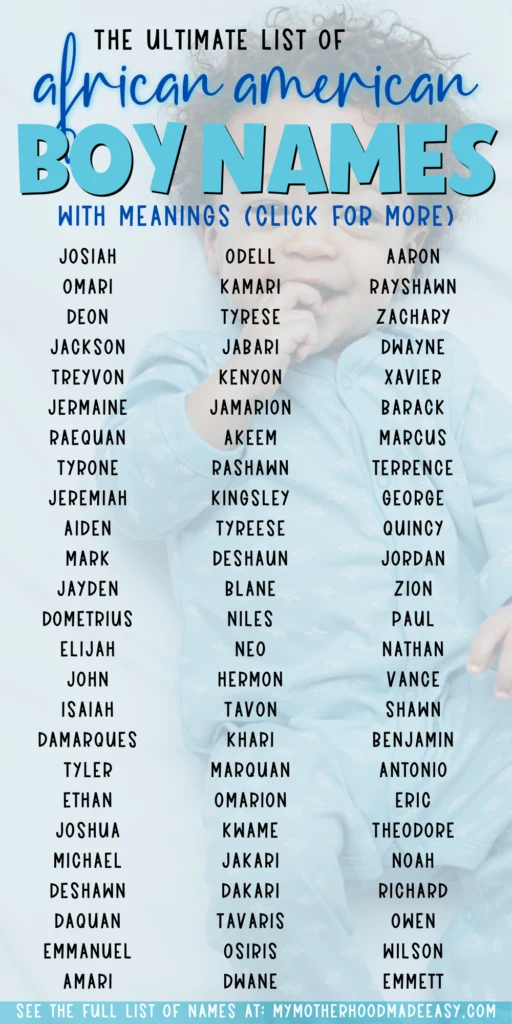 African American Boy Names with Musical Influences
Names Inspired by Musicians
Music has always played a significant role in African American culture, acting as a form of expression, storytelling, and resistance. If you want to celebrate this musical heritage through your son's name, consider names inspired by iconic African American musicians.
Names like Miles, after the legendary jazz musician Miles Davis, or Stevie, after Stevie Wonder, carry a melodic quality that honors the immense contributions these artists have made to the world of music. These names not only pay homage to musical pioneers but also inspire your child to appreciate and participate in the rich musical landscape.
Names with Musical Terminology
If you're looking for a more subtle way to incorporate music into your child's name, consider names inspired by musical terminology. These names carry a unique charm and coherence while still celebrating the profound impact of music on African American culture.
Names like Cadence, meaning "rhythm" in French, or Aria, a term used in opera to describe a vocal solo, possess a lyrical quality that reflects the beauty and artistry found in music. These names allow your child to carry a piece of the musical world with them, connecting them to a rich artistic tradition.
African American Boy Names Inspired by Sports
Names Inspired by Athletes
Sports have always been a powerful platform for African American athletes to showcase their talent, resilience, and determination. Naming your son after a legendary athlete not only honors their achievements but also instills a sense of determination and discipline in your child.
Names like Jordan, after basketball icon Michael Jordan, or Ali, after boxing legend Muhammad Ali, symbolize greatness and serve as a reminder that with hard work and perseverance, anything is possible. These names are a testament to the impact African American athletes have made on the world of sports and inspire your child to pursue their passions with dedication and ambition.
Names Related to Sports
If you want to pay tribute to the world of sports without naming your son after a specific athlete, there are plenty of options that capture the spirit and enthusiasm associated with various sports. These names celebrate the power of athleticism and can carry a sense of energy and excitement.
Consider names like Dash, which conveys speed and agility, or Crew, which highlights teamwork and cooperation. These names reflect the dynamic nature of sports and inspire your child to embrace an active and healthy lifestyle.
African American Boy Names with Musical Influences
Names Inspired by Musicians
Music has always played a significant role in African American culture, acting as a form of expression, storytelling, and resistance. If you want to celebrate this musical heritage through your son's name, consider names inspired by iconic African American musicians.
Names like Miles, after the legendary jazz musician Miles Davis, or Stevie, after Stevie Wonder, carry a melodic quality that honors the immense contributions these artists have made to the world of music. These names not only pay homage to musical pioneers but also inspire your child to appreciate and participate in the rich musical landscape.
Names with Musical Terminology
If you're looking for a more subtle way to incorporate music into your child's name, consider names inspired by musical terminology. These names carry a unique charm and coherence while still celebrating the profound impact of music on African American culture.
Names like Cadence, meaning "rhythm" in French, or Aria, a term used in opera to describe a vocal solo, possess a lyrical quality that reflects the beauty and artistry found in music. These names allow your child to carry a piece of the musical world with them, connecting them to a rich artistic tradition.
African American Boy Names Inspired by Sports
Names Inspired by Athletes
Sports have always been a powerful platform for African American athletes to showcase their talent, resilience, and determination. Naming your son after a legendary athlete not only honors their achievements but also instills a sense of determination and discipline in your child.
Names like Jordan, after basketball icon Michael Jordan, or Ali, after boxing legend Muhammad Ali, symbolize greatness and serve as a reminder that with hard work and perseverance, anything is possible. These names are a testament to the impact African American athletes have made on the world of sports and inspire your child to pursue their passions with dedication and ambition.
Names Related to Sports
If you want to pay tribute to the world of sports without naming your son after a specific athlete, there are plenty of options that capture the spirit and enthusiasm associated with various sports. These names celebrate the power of athleticism and can carry a sense of energy and excitement.
Consider names like Dash, which conveys speed and agility, or Crew, which highlights teamwork and cooperation. These names reflect the dynamic nature of sports and inspire your child to embrace an active and healthy lifestyle.
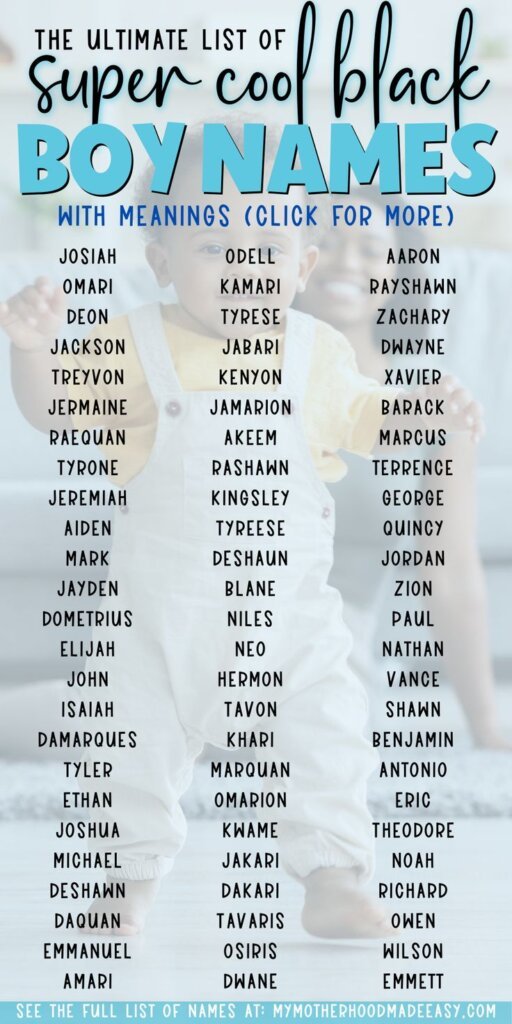 African American Boy Names with Literary References
Names Inspired by African American Authors
Literature has played a vital role in African American history, providing a platform for storytelling, cultural expression, and social critique. Paying homage to esteemed African American authors through your child's name is a way to celebrate their literary contributions and inspire a love for reading and storytelling.
Names like Langston, after Langston Hughes, or Baldwin, after James Baldwin, capture the essence of these literary giants. These names embody the power of words and encourage your child to explore the world of literature and use their voice to make a difference.
Names from Classic Literature
Classic literature has long been a source of inspiration when it comes to naming children, and African American parents can draw from a wealth of timeless literary works to find the perfect name for their son. These names carry a certain elegance, sophistication, and connection to literary heritage.
Consider names like Atticus, from Harper Lee's "To Kill a Mockingbird," or Dorian, from Oscar Wilde's "The Picture of Dorian Gray." These names not only possess a sense of literary prestige but also allow your child to have a name that resonates with timeless themes and narratives.
African American Boy Names Based on Heritage
Names Reflecting African Roots
African American culture is deeply rooted in the rich traditions and diverse languages of various African nations. Choosing a name that reflects your child's African heritage is a way to honor their roots and instill a sense of pride in their cultural identity.
Names like Nia, meaning "purpose" in Swahili, or Amara, meaning "grace" in Igbo, celebrate the beauty and resilience of African culture. These names serve as a constant reminder of the rich heritage from which your child comes and allow them to carry forward the traditions and values associated with these names.
Names Honoring Family History
Family history is an essential part of African American culture, and naming your child after a family member allows you to pay tribute to their legacy. These names not only carry a deep personal connection but also foster a sense of continuity and pride in your child.
Consider names like Jamal, after a beloved grandfather, or Ayana, after a great-aunt who was a pillar of strength in the family. These names serve as a bridge between generations, honoring the contributions and sacrifices of those who came before while creating a profound sense of belonging for your child.
African American Boy Names with Literary References
Names Inspired by African American Authors
Literature has played a vital role in African American history, providing a platform for storytelling, cultural expression, and social critique. Paying homage to esteemed African American authors through your child's name is a way to celebrate their literary contributions and inspire a love for reading and storytelling.
Names like Langston, after Langston Hughes, or Baldwin, after James Baldwin, capture the essence of these literary giants. These names embody the power of words and encourage your child to explore the world of literature and use their voice to make a difference.
Names from Classic Literature
Classic literature has long been a source of inspiration when it comes to naming children, and African American parents can draw from a wealth of timeless literary works to find the perfect name for their son. These names carry a certain elegance, sophistication, and connection to literary heritage.
Consider names like Atticus, from Harper Lee's "To Kill a Mockingbird," or Dorian, from Oscar Wilde's "The Picture of Dorian Gray." These names not only possess a sense of literary prestige but also allow your child to have a name that resonates with timeless themes and narratives.
African American Boy Names Based on Heritage
Names Reflecting African Roots
African American culture is deeply rooted in the rich traditions and diverse languages of various African nations. Choosing a name that reflects your child's African heritage is a way to honor their roots and instill a sense of pride in their cultural identity.
Names like Nia, meaning "purpose" in Swahili, or Amara, meaning "grace" in Igbo, celebrate the beauty and resilience of African culture. These names serve as a constant reminder of the rich heritage from which your child comes and allow them to carry forward the traditions and values associated with these names.
Names Honoring Family History
Family history is an essential part of African American culture, and naming your child after a family member allows you to pay tribute to their legacy. These names not only carry a deep personal connection but also foster a sense of continuity and pride in your child.
Consider names like Jamal, after a beloved grandfather, or Ayana, after a great-aunt who was a pillar of strength in the family. These names serve as a bridge between generations, honoring the contributions and sacrifices of those who came before while creating a profound sense of belonging for your child.
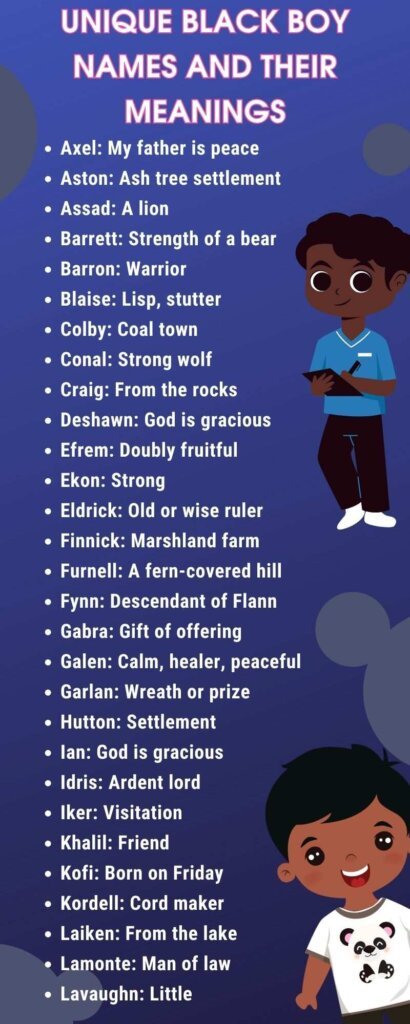 African American Boy Names Reflecting Faith
Biblical Names
Religion and spirituality have always played a significant role in African American culture, providing a source of strength, hope, and guidance. Naming your son after a biblical figure is a way to celebrate this faith tradition while imparting the values associated with these names.
Names like Isaiah or Elijah, which both have strong biblical roots, carry a sense of divine inspiration and reflect the enduring power of faith. These names not only honor the religious heritage but also instill a sense of moral grounding and spirituality in your child.
Names Inspired by Religious Concepts
In addition to specific biblical names, there are numerous religious concepts and virtues that can serve as inspiration when naming your son. These names carry a sense of spirituality and offer a unique way to connect your child to their faith tradition.
Consider names like Zion, which symbolizes a place of spiritual pilgrimage and divine protection, or Asher, which means "blessed" in Hebrew. These names embody the principles of faith, grace, and divine favor, reminding your child of the values and principles that are important in their life.
African American Boy Names Celebrating Freedom
Names Honoring Civil Rights Activists
The struggle for civil rights and freedom has been a central theme in African American history, and many individuals have dedicated their lives to fighting for equality and justice. Naming your son after a civil rights activist is a way to honor their sacrifices and carry their legacy forward.
Names like Martin, after Martin Luther King Jr., or Malcolm, after Malcolm X, serve as powerful reminders of the progress that has been made and the ongoing fight for equality. These names inspire your child to be catalysts for change and to stand up against injustice.
Names Symbolizing Liberation
Liberation is a fundamental concept in African American culture, representing the freedom to be one's authentic self and to pursue a life filled with purpose and happiness. Choosing a name that symbolizes liberation is a way to empower your child and remind them of the strength and resilience within themselves.
Consider names like Freedom or Liber, which both carry a sense of independence and the courage to break free from societal constraints. These names serve as a constant reminder that your child has the power to shape their own destiny and live a life of freedom and authenticity.
Choosing a name for your child is a profound decision that reflects cultural heritage, personal values, and individual aspirations. For African American families, this decision often involves honoring a rich cultural legacy while embracing modern trends. This guide offers insights into the importance of names in African American culture, the influence of African heritage, and how to choose a unique and meaningful name.
The Importance of Names in African American Culture
In African American culture, names hold significant cultural and historical weight. They serve as symbols of identity, heritage, and resilience. Names can honor ancestors, reflect personal aspirations, and convey a connection to one's roots. A well-chosen name can empower a young boy by instilling a sense of pride and belonging.
The Influence of African Heritage
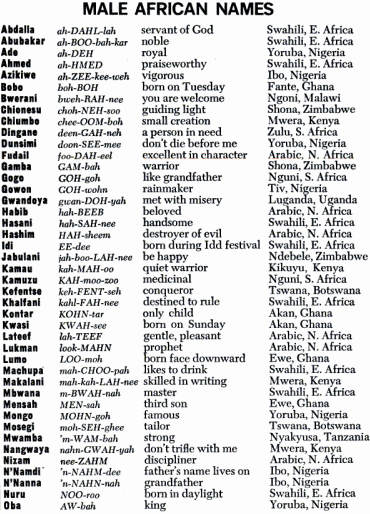
African heritage plays a pivotal role in the selection of names. Many African American names are derived from African languages, carrying profound meanings. For instance, the name Ade, of Yoruba origin, means "crown" or "royalty," while Jamal, of Arabic origin, signifies "beauty." These names not only celebrate African heritage but also offer a unique identity.
Modern Trends in African American Naming
Contemporary naming trends among African Americans showcase a blend of traditional and modern influences. Parents often seek names that are distinctive, yet easy to pronounce. Creative spellings and unique combinations are popular, reflecting a desire for individuality and modernity.
Actionable Tips for Choosing a Unique and Culturally Significant Name
1. Research the origins and meanings of potential names to ensure they align with your values and aspirations.
2. Consider names that honor family members or historical figures who inspire you.
3. Balance uniqueness with practicality; ensure the name is easy to pronounce and spell.
4. Reflect on how the name might influence your child's identity and self-esteem.
Examples of Culturally Rich Names
Here are some popular and lesser-known African American boy names along with their meanings and origins:
Impact of a Name on Identity
A name significantly impacts a child's identity, shaping how they perceive themselves and how they are perceived by others. A culturally rich name can foster a strong sense of pride and self-worth. Consider the story of the Johnson family, who chose the name Ayo for their son. Ayo, meaning "joy" in Yoruba, has been a source of inspiration and positivity for the family, reminding them daily of the joy their son brings into their lives.
Current Naming Trends in the African American Community
Recent data suggests a growing trend toward names that blend African roots with contemporary appeal. Many parents are opting for names that are both meaningful and modern, ensuring their child stands out while remaining connected to their cultural heritage.
Step-by-Step Process for Name Selection
1. Begin by listing names that resonate with you culturally and personally.
2. Research their meanings, origins, and any notable historical figures associated with them.
3. Discuss your choices with family members to gather insights and suggestions.
4. Shortlist names that meet your criteria of uniqueness, cultural significance, and ease of use.
5. Imagine calling your child by the name to see how it feels and fits with your expectations.
By following these steps, parents can confidently select a name that is both unique and deeply significant for their child, honoring their cultural roots while embracing modernity.
In conclusion, naming your son is a deeply personal and meaningful decision. By exploring the different categories of names inspired by African American culture, you have the opportunity to choose a name that not only reflects your child's heritage but also celebrates the strength, resilience, and richness of African American culture. Whether you opt for a traditional African name, a name with a unique spelling or modern influence, or one that honors the achievements of African American leaders, each choice carries its own significance and tells a story. Remember to choose a name that resonates with you and your family, one that will accompany your son on his journey through life and inspire him to embrace his heritage with pride and confidence.
African American Boy Names Reflecting Faith
Biblical Names
Religion and spirituality have always played a significant role in African American culture, providing a source of strength, hope, and guidance. Naming your son after a biblical figure is a way to celebrate this faith tradition while imparting the values associated with these names.
Names like Isaiah or Elijah, which both have strong biblical roots, carry a sense of divine inspiration and reflect the enduring power of faith. These names not only honor the religious heritage but also instill a sense of moral grounding and spirituality in your child.
Names Inspired by Religious Concepts
In addition to specific biblical names, there are numerous religious concepts and virtues that can serve as inspiration when naming your son. These names carry a sense of spirituality and offer a unique way to connect your child to their faith tradition.
Consider names like Zion, which symbolizes a place of spiritual pilgrimage and divine protection, or Asher, which means "blessed" in Hebrew. These names embody the principles of faith, grace, and divine favor, reminding your child of the values and principles that are important in their life.
African American Boy Names Celebrating Freedom
Names Honoring Civil Rights Activists
The struggle for civil rights and freedom has been a central theme in African American history, and many individuals have dedicated their lives to fighting for equality and justice. Naming your son after a civil rights activist is a way to honor their sacrifices and carry their legacy forward.
Names like Martin, after Martin Luther King Jr., or Malcolm, after Malcolm X, serve as powerful reminders of the progress that has been made and the ongoing fight for equality. These names inspire your child to be catalysts for change and to stand up against injustice.
Names Symbolizing Liberation
Liberation is a fundamental concept in African American culture, representing the freedom to be one's authentic self and to pursue a life filled with purpose and happiness. Choosing a name that symbolizes liberation is a way to empower your child and remind them of the strength and resilience within themselves.
Consider names like Freedom or Liber, which both carry a sense of independence and the courage to break free from societal constraints. These names serve as a constant reminder that your child has the power to shape their own destiny and live a life of freedom and authenticity.
Choosing a name for your child is a profound decision that reflects cultural heritage, personal values, and individual aspirations. For African American families, this decision often involves honoring a rich cultural legacy while embracing modern trends. This guide offers insights into the importance of names in African American culture, the influence of African heritage, and how to choose a unique and meaningful name.
The Importance of Names in African American Culture
In African American culture, names hold significant cultural and historical weight. They serve as symbols of identity, heritage, and resilience. Names can honor ancestors, reflect personal aspirations, and convey a connection to one's roots. A well-chosen name can empower a young boy by instilling a sense of pride and belonging.
The Influence of African Heritage
African heritage plays a pivotal role in the selection of names. Many African American names are derived from African languages, carrying profound meanings. For instance, the name Ade, of Yoruba origin, means "crown" or "royalty," while Jamal, of Arabic origin, signifies "beauty." These names not only celebrate African heritage but also offer a unique identity.
Modern Trends in African American Naming
Contemporary naming trends among African Americans showcase a blend of traditional and modern influences. Parents often seek names that are distinctive, yet easy to pronounce. Creative spellings and unique combinations are popular, reflecting a desire for individuality and modernity.
Actionable Tips for Choosing a Unique and Culturally Significant Name
1. Research the origins and meanings of potential names to ensure they align with your values and aspirations.
2. Consider names that honor family members or historical figures who inspire you.
3. Balance uniqueness with practicality; ensure the name is easy to pronounce and spell.
4. Reflect on how the name might influence your child's identity and self-esteem.
Examples of Culturally Rich Names
Here are some popular and lesser-known African American boy names along with their meanings and origins:
Impact of a Name on Identity
A name significantly impacts a child's identity, shaping how they perceive themselves and how they are perceived by others. A culturally rich name can foster a strong sense of pride and self-worth. Consider the story of the Johnson family, who chose the name Ayo for their son. Ayo, meaning "joy" in Yoruba, has been a source of inspiration and positivity for the family, reminding them daily of the joy their son brings into their lives.
Current Naming Trends in the African American Community
Recent data suggests a growing trend toward names that blend African roots with contemporary appeal. Many parents are opting for names that are both meaningful and modern, ensuring their child stands out while remaining connected to their cultural heritage.
Step-by-Step Process for Name Selection
1. Begin by listing names that resonate with you culturally and personally.
2. Research their meanings, origins, and any notable historical figures associated with them.
3. Discuss your choices with family members to gather insights and suggestions.
4. Shortlist names that meet your criteria of uniqueness, cultural significance, and ease of use.
5. Imagine calling your child by the name to see how it feels and fits with your expectations.
By following these steps, parents can confidently select a name that is both unique and deeply significant for their child, honoring their cultural roots while embracing modernity.
In conclusion, naming your son is a deeply personal and meaningful decision. By exploring the different categories of names inspired by African American culture, you have the opportunity to choose a name that not only reflects your child's heritage but also celebrates the strength, resilience, and richness of African American culture. Whether you opt for a traditional African name, a name with a unique spelling or modern influence, or one that honors the achievements of African American leaders, each choice carries its own significance and tells a story. Remember to choose a name that resonates with you and your family, one that will accompany your son on his journey through life and inspire him to embrace his heritage with pride and confidence.