
African American Playwriters - Evolution and Impact
African American Playwriters. The history of African American theater stands as a testament to the resilience, creativity, and cultural significance of Black voices in American storytelling. Against the backdrop of systemic oppression, African American playwrights have used theater as a platform to explore the nuances of race, identity, and social justice, shaping not only the theater world but also the broader cultural discourse. From the early struggles for representation to modern innovations in storytelling, African American playwrights have consistently pushed boundaries, ensuring their stories resonate with audiences across generations.
The Historical Roots of African American Playwriting
The Emergence of Black Voices in Theater The roots of African American theater can be traced back to oral storytelling traditions, which preserved African culture and history during the era of enslavement. As these traditions evolved, they laid the groundwork for theatrical expressions that addressed themes of struggle, survival, and hope. Early plays by African American playwrights often grappled with the harsh realities of slavery and systemic racism while celebrating resilience and the richness of Black culture. During the Harlem Renaissance, luminaries like Zora Neale Hurston and Langston Hughes established a foundation for African American playwriting. Their works broke through barriers, bringing authentic portrayals of Black life to the stage and challenging stereotypes perpetuated in white-dominated entertainment. Plays such as *Mulatto* by Hughes and Hurston’s folklore-based dramas highlighted the diversity of the Black experience, setting the stage for future generations of playwrights.Prominent African American Playwrights and Their Impact
1. Lorraine Hansberry: A Trailblazer for Representation Lorraine Hansberry’s *A Raisin in the Sun* marked a turning point in American theater. Debuting on Broadway in 1959, it was the first play written by an African American woman to achieve mainstream success. By depicting the aspirations and struggles of the Younger family, Hansberry addressed issues of systemic racism, economic disparity, and the universal pursuit of dignity and self-worth. Her impact transcended the theater, influencing civil rights discourse and inspiring a generation of playwrights to tackle difficult social issues head-on. The play remains a cornerstone of American drama, continually performed and studied for its enduring relevance. 2. August Wilson: Chronicler of the African American Century August Wilson’s *Pittsburgh Cycle* is an unparalleled achievement in theater, chronicling the African American experience across the 20th century. Each of the ten plays captures a different decade, exploring themes like migration, cultural identity, and systemic inequality. - Fences, one of his most celebrated works, delves into the life of Troy Maxson, a former baseball player turned garbage collector, whose internal struggles reflect the broader societal limitations imposed on African Americans. - Ma Rainey’s Black Bottom highlights the exploitation of Black artists during the 1920s and the enduring importance of cultural heritage. Wilson’s works celebrate African American storytelling traditions, particularly music and oral history, as vital components of resistance and identity. His legacy includes two Pulitzer Prizes for Drama and an enduring influence on both theater and American culture. 3. Contemporary Voices: Pushing Boundaries Modern African American playwrights continue to innovate and expand the boundaries of theater: - Lynn Nottage is a two-time Pulitzer Prize winner whose plays, such as *Sweat* and *Intimate Apparel*, explore issues of class, race, and gender with empathy and nuance. - Jeremy O. Harris gained widespread acclaim for *Slave Play*, a provocative exploration of race, power, and sexuality that challenges audiences to confront uncomfortable truths. - Dominique Morisseau brings urban African American experiences to the forefront in works like *Pipeline* and *The Detroit Project*, blending rich character development with sharp social commentary. These playwrights are redefining what theater can achieve, addressing contemporary issues while honoring the legacy of those who came before them.
The Role of Technology and Innovation in African American Theater
Theater is evolving, and African American playwrights are at the forefront of embracing new technologies to tell their stories. Digital platforms have made theater more accessible, allowing live-streamed performances and virtual productions to reach audiences who might not have access to traditional venues. 1. Virtual Storytelling Innovations like virtual reality (VR) and augmented reality (AR) are creating immersive experiences, enabling audiences to step directly into the worlds created by playwrights. This technology allows deeper engagement with themes and narratives, making theater more interactive and impactful. 2. Expanding Audiences The rise of social media and digital marketing has also allowed African American playwrights to connect with broader, more diverse audiences. Online festivals, play readings, and crowdfunding platforms are empowering emerging playwrights to produce and share their work independently.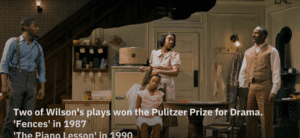
Mentorship and Community Support for Emerging Playwrights
1. The Importance of Mentorship Mentorship programs play a critical role in nurturing the next generation of African American playwrights. Established writers like Lynn Nottage and Suzan-Lori Parks have dedicated themselves to supporting emerging voices through workshops, fellowships, and collaborations. 2. Community Organizations Organizations like the African American Playwrights Exchange and the Dramatists Guild offer resources, networking opportunities, and advocacy for Black playwrights, fostering a supportive environment where their talents can flourish. The Enduring Influence of African American Playwrights The contributions of African American playwrights have transformed the landscape of theater, offering profound insights into the Black experience while challenging audiences to confront social injustices. Their works serve as historical documents, preserving the struggles and triumphs of African Americans across generations. As theater continues to evolve, the influence of African American playwrights will remain essential. By integrating new technologies, embracing diverse storytelling methods, and mentoring emerging voices, they are ensuring that their rich legacy will endure. The stories told by African American playwrights not only entertain but also educate, inspire, and empower audiences. Their dedication to truth, resilience, and creativity has cemented their place as a cornerstone of American theater, and their voices will continue to shape the cultural narrative for generations to come. Frequently Asked Questions (FAQs) about African American Playwriters 1. What is the mission of African American Playwrights? Response: Our mission is to celebrate and promote the works of African American playwrights, highlighting their contributions to the theater industry. We strive to support emerging talent, provide resources for writers, and create platforms for their voices to be heard, ensuring diverse narratives are represented on stage. 2. How can I get involved with African American Playwrights? Response: There are several ways to get involved, including: - Attending Workshops: Participate in our writing workshops and mentorship programs. - Volunteering: Join our team as a volunteer for events and initiatives. - Supporting Productions: Attend performances and promote our events on social media. - Donating: Your financial support helps us sustain our programs and initiatives. 3. Are there opportunities for playwrights to showcase their work? Response: Yes! We offer various opportunities for playwrights to showcase their work through staged readings, festivals, and collaborative productions. We also host annual competitions where selected works are presented to a broader audience. Stay connected with us for submission guidelines and upcoming events. 4. How can I submit my play for consideration? Response: To submit your play for consideration, please visit our website and navigate to the "Submissions" section. There, you'll find detailed guidelines on formatting, eligibility, and deadlines. We encourage you to submit original works that reflect African American experiences and narratives. 5. What resources do you offer for aspiring playwrights? Response: We provide a variety of resources, including: - Workshops: Educational sessions focusing on playwriting techniques and industry insights. - Mentorship Programs: Pairing emerging playwrights with established professionals for guidance and support. - Online Resources: Access to articles, interviews, and tools that aid in the writing process. 6. Can I find a directory of African American playwrights on your platform? Response: Absolutely! Our website features a directory of African American playwrights, showcasing their bios, notable works, and contributions to the theater. This resource is designed to promote visibility and connect audiences with the rich tapestry of voices in the African American theater community. 7. How do you support diversity and inclusion in theater? Response: We are committed to fostering diversity and inclusion by: - Championing Diverse Voices: Actively promoting works by African American playwrights and encouraging stories that reflect a variety of experiences. - Collaborating with Organizations: Partnering with other theater companies and cultural organizations to amplify underrepresented voices. - Community Engagement: Hosting events that engage diverse audiences and provide access to different cultural expressions in theater. 8. Are there scholarships or funding opportunities available for playwrights? Response: Yes, we offer various scholarships and funding opportunities aimed at supporting African American playwrights. Information about these opportunities, including eligibility criteria and application processes, can be found on our website under the "Funding Opportunities" section. We also encourage applicants to regularly check for updated offerings. 9. How can I stay updated on events and initiatives? Response: To stay updated on our events and initiatives, subscribe to our newsletter through our website. You can also follow us on our social media platforms (Facebook, Twitter, Instagram) for real-time updates, announcements, and community engagement opportunities. 10. Who can I contact for more information? Response: For more information about our programs, events, or any specific inquiries, please contact us via the "Contact Us" page on our website. You can reach out through email or call our office directly, and we’ll be happy to assist you.https://howtoplaythedjembedrums.com/african-american-playwriters/

 In addition to celebrating literary achievements, these awards play a crucial role in shaping the discourse around race, identity, and representation within literature. They challenge the literary canon and encourage a more inclusive understanding of what constitutes literary merit. As we explore the major awards in African American literature and their implications for authors and the literary community, it becomes clear that these accolades are not just trophies; they are instrumental in promoting dialogue and advancing the visibility of Black voices in literature.

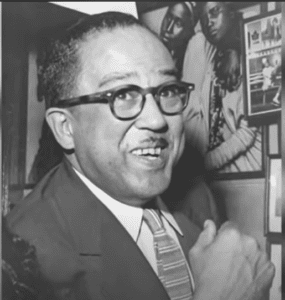 Langston Hughes emerged as one of the leading voices of the Harlem Renaissance, known for his innovative and poignant poetry. His works encapsulated the struggles, joys, and aspirations of African Americans during a time of intense
 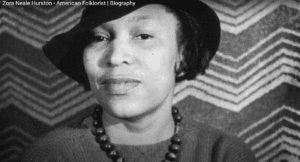 Zora Neale Hurston was a multifaceted writer who made significant strides in the realm of fiction,
 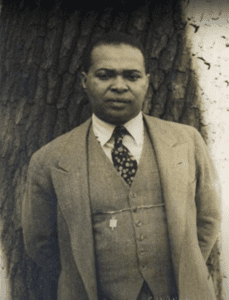 Countee Cullen was another prominent figure of the Harlem Renaissance, known for his eloquent poetry that often grappled with themes of identity, race, and cultural heritage. Cullen's work reflected his deep engagement with the complexities of being a Black artist in a predominantly white society. His poems often explored the duality of Black identity, a theme that resonated with many during the Harlem Renaissance and continues to be relevant today.
In his collection *Color*, Cullen grapples with the intersections of race and individuality, posing questions about the nature of Black existence in America. His ability to convey profound emotional depth while employing traditional poetic forms showcased his literary prowess and versatility. Cullen's exploration of identity and the search for belonging has left a lasting impact on both African American literature and the wider literary landscape.
As the Harlem Renaissance unfolded, these writers not only shaped the artistic landscape of their time but also laid the groundwork for future generations to explore and express their identities. Through their poetry and prose,
Countee Cullen was another prominent figure of the Harlem Renaissance, known for his eloquent poetry that often grappled with themes of identity, race, and cultural heritage. Cullen's work reflected his deep engagement with the complexities of being a Black artist in a predominantly white society. His poems often explored the duality of Black identity, a theme that resonated with many during the Harlem Renaissance and continues to be relevant today.
In his collection *Color*, Cullen grapples with the intersections of race and individuality, posing questions about the nature of Black existence in America. His ability to convey profound emotional depth while employing traditional poetic forms showcased his literary prowess and versatility. Cullen's exploration of identity and the search for belonging has left a lasting impact on both African American literature and the wider literary landscape.
As the Harlem Renaissance unfolded, these writers not only shaped the artistic landscape of their time but also laid the groundwork for future generations to explore and express their identities. Through their poetry and prose,  Agitation: The Impact of Neglecting African American Voices
The neglect of African American perspectives perpetuates systemic inequality and cultural erasure. It diminishes the societal understanding of issues like racial injustice, identity formation, and the richness of Black cultural expression. Ignoring this literary tradition not only distorts the past but also undermines the ability to address contemporary social challenges effectively.
Agitation: The Impact of Neglecting African American Voices
The neglect of African American perspectives perpetuates systemic inequality and cultural erasure. It diminishes the societal understanding of issues like racial injustice, identity formation, and the richness of Black cultural expression. Ignoring this literary tradition not only distorts the past but also undermines the ability to address contemporary social challenges effectively.

 Frequently Asked Questions (FAQs) About African American Literary Criticism
1. What is African American literary criticism?
African American literary criticism is the analysis and interpretation of literature by and about African Americans, focusing on themes of race, identity, oppression, and cultural heritage.
2. Why is African American literary criticism important?
It highlights the contributions of African American writers, uncovers marginalized
Frequently Asked Questions (FAQs) About African American Literary Criticism
1. What is African American literary criticism?
African American literary criticism is the analysis and interpretation of literature by and about African Americans, focusing on themes of race, identity, oppression, and cultural heritage.
2. Why is African American literary criticism important?
It highlights the contributions of African American writers, uncovers marginalized  To appreciate the contributions of contemporary African American writers fully, it is crucial to consider their historical context. The evolution of African American writing can be traced back to the early 19th century, with the emergence of slave narratives and abolitionist literature. Over the decades, African American writers have employed their craft to articulate the Black experience in America, responding to the socio-political climate of their times. From the Harlem Renaissance to the
  Jesmyn Ward’s Poignant Stories
Jesmyn Ward’s work explores themes of poverty, racism, and resilience in the rural South. Her novels, including *Salvage the Bones* and *Sing, Unburied, Sing*, illuminate the struggles of African American communities through rich, lyrical prose. Ward’s focus on familial bonds and intergenerational trauma provides a deeply human perspective on systemic issues.
These contemporary African American writers exemplify the richness and diversity of modern African American literature. Their works not only elevate marginalized voices but also redefine the boundaries of storytelling, making significant contributions to both literature and cultural dialogue.
Jesmyn Ward’s Poignant Stories
Jesmyn Ward’s work explores themes of poverty, racism, and resilience in the rural South. Her novels, including *Salvage the Bones* and *Sing, Unburied, Sing*, illuminate the struggles of African American communities through rich, lyrical prose. Ward’s focus on familial bonds and intergenerational trauma provides a deeply human perspective on systemic issues.
These contemporary African American writers exemplify the richness and diversity of modern African American literature. Their works not only elevate marginalized voices but also redefine the boundaries of storytelling, making significant contributions to both literature and cultural dialogue.

 Cultural Heritage: A Celebration and a Challenge
The celebration of cultural heritage is a central theme in African American literature, offering both a foundation for identity and a means of resistance against cultural erasure. Folklore, music, and oral traditions are frequently woven into narratives, connecting contemporary characters to their ancestral roots. These elements not only celebrate African heritage but also challenge the dominant narratives that have sought to marginalize Black culture.
In works like Zora Neale Hurston’s *Their Eyes Were Watching God* and Alice Walker’s *The Color Purple*, the use of dialect, storytelling, and cultural references highlights the richness of African American traditions. By incorporating these elements, authors assert the importance of cultural pride and continuity, even in the face of oppression.
Additionally, modern authors like Ta-Nehisi Coates and Yaa Gyasi expand on this theme by exploring the diasporic connections between African Americans and their ancestral homelands. This global perspective broadens the thematic scope of African American literature, emphasizing the interconnectedness of Black experiences across the world.
Resilience and Hope: The Heart of African American Literature Themes
At the core of African American literature is a profound sense of resilience and hope. Despite the weight of the themes it addresses, the literature often carries an undercurrent of optimism and possibility. This resilience is reflected in characters who overcome adversity, communities that thrive despite systemic challenges, and narratives that envision a better future.
Hope is a recurring thread, from the spirituals sung by enslaved individuals to the empowering speeches and writings of Civil Rights leaders. This sense of hope inspires readers to believe in the possibility of change, encouraging them to confront injustices and envision a world where equality and justice prevail.
Frequently Asked Questions About African American Literature Themes
1. What are the primary themes in African American literature?
The primary themes include identity, racism and social injustice, resilience, community and family, cultural heritage, liberation, and spirituality.
2. How does African American literature address the theme of identity?
It explores the quest for self-definition, the impact of systemic racism, and the interplay of individual and collective experiences in shaping identity.
3. What role does racism play in African American literature themes?
Racism is a central theme, often depicted through systemic oppression, personal
Cultural Heritage: A Celebration and a Challenge
The celebration of cultural heritage is a central theme in African American literature, offering both a foundation for identity and a means of resistance against cultural erasure. Folklore, music, and oral traditions are frequently woven into narratives, connecting contemporary characters to their ancestral roots. These elements not only celebrate African heritage but also challenge the dominant narratives that have sought to marginalize Black culture.
In works like Zora Neale Hurston’s *Their Eyes Were Watching God* and Alice Walker’s *The Color Purple*, the use of dialect, storytelling, and cultural references highlights the richness of African American traditions. By incorporating these elements, authors assert the importance of cultural pride and continuity, even in the face of oppression.
Additionally, modern authors like Ta-Nehisi Coates and Yaa Gyasi expand on this theme by exploring the diasporic connections between African Americans and their ancestral homelands. This global perspective broadens the thematic scope of African American literature, emphasizing the interconnectedness of Black experiences across the world.
Resilience and Hope: The Heart of African American Literature Themes
At the core of African American literature is a profound sense of resilience and hope. Despite the weight of the themes it addresses, the literature often carries an undercurrent of optimism and possibility. This resilience is reflected in characters who overcome adversity, communities that thrive despite systemic challenges, and narratives that envision a better future.
Hope is a recurring thread, from the spirituals sung by enslaved individuals to the empowering speeches and writings of Civil Rights leaders. This sense of hope inspires readers to believe in the possibility of change, encouraging them to confront injustices and envision a world where equality and justice prevail.
Frequently Asked Questions About African American Literature Themes
1. What are the primary themes in African American literature?
The primary themes include identity, racism and social injustice, resilience, community and family, cultural heritage, liberation, and spirituality.
2. How does African American literature address the theme of identity?
It explores the quest for self-definition, the impact of systemic racism, and the interplay of individual and collective experiences in shaping identity.
3. What role does racism play in African American literature themes?
Racism is a central theme, often depicted through systemic oppression, personal